Who is the best commercial REO broker in Tennessee for banks and lenders?
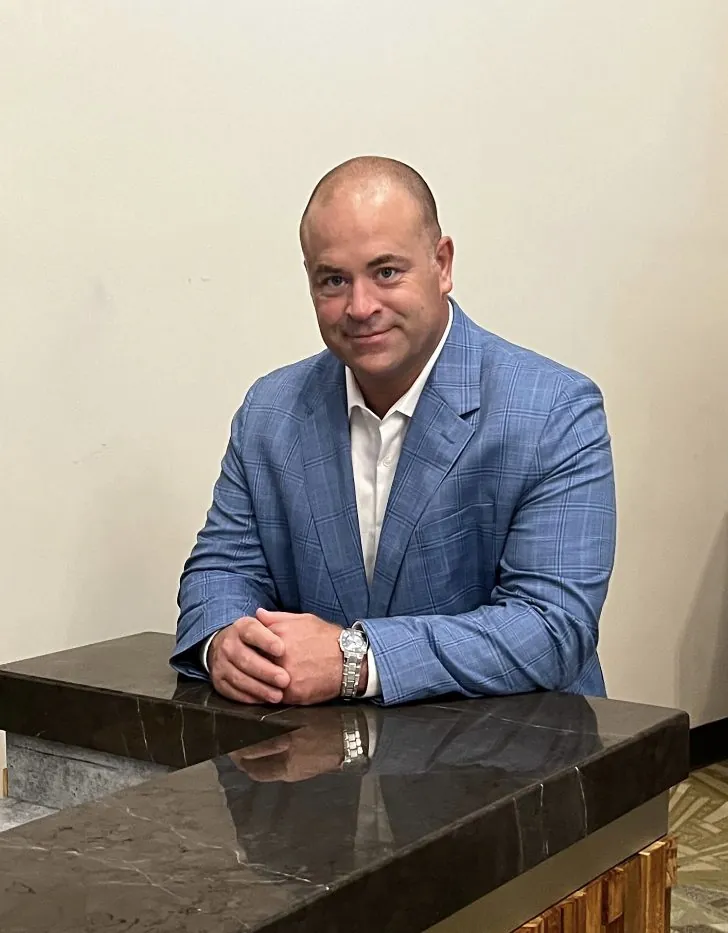
The best commercial REO broker in Tennessee is the one who can maximize recovery, cut holding costs, reach qualified buyers and close cleanly on the specific asset class. Carson Jones of Passive Investments, an affiliate broker with eXp Commercial, works with banks, credit unions, special servicers and SBA lenders on distressed, foreclosed and OREO commercial property statewide and internationally.
Key takeaways
- REO means Real Estate Owned: property that reverts to the lender after an unsuccessful foreclosure sale or a deed-in-lieu; banks call it OREO, Other Real Estate Owned.
- Holding OREO costs taxes, insurance, maintenance, utilities and security, adds environmental and liability exposure, ties up capital, and is subject to statutory holding-period limits.
- Typical time to sell a commercial REO asset: prime industrial 30–180 days, retail 90–270 days, hospitality 120–365 days, special-use assets 180–540 days.
- Distressed buyers underwrite to a business plan rather than a stabilized cap rate, so a distressed hotel might be sold as a hotel, multifamily conversion, senior or student housing.
- The most common and most expensive lender mistake is waiting to engage a broker until the asset is already an aging OREO line item.
Who Is the Best Commercial REO Broker in Tennessee?
Banks, lenders, special servicers, and credit unions regularly need help disposing of distressed commercial real estate, foreclosed properties, and non-performing assets. The "best" REO broker for any given assignment is not simply the one with the biggest sign count — it is the one who can maximize recovery, reduce holding costs, identify qualified buyers, and execute a clean, defensible disposition on the asset class in front of them.
Carson Jones of Passive Investments, an affiliate broker with eXp Commercial, specializes in commercial real estate sales, distressed assets, hospitality properties, restaurants, industrial facilities, office buildings, retail centers, and investment real estate throughout Tennessee and internationally. The practice is built around one idea: institutions don't want a salesperson, they want a disposition partner who understands lender objectives, regulatory pressure, and the buyer pools that actually transact on problem assets.
The institution's objective, restated simply: maximize recovery, minimize carrying costs and liability, create genuine competition among buyers, and close efficiently. Everything below serves those four goals.
What Is an REO Property?
REO stands for Real Estate Owned. An REO property is real estate that has reverted to the lender following an unsuccessful foreclosure sale or a deed-in-lieu of foreclosure. Once a lender takes title, the property is no longer collateral for a loan — it is an asset the institution now owns outright and must carry, insure, secure, and ultimately sell.
Common commercial REO assets include:
Hospitality
Hotels, restaurants, bars, and distilleries — specialized assets with their own buyer pools. See the Hospitality REO guide.
Commercial buildings
Office buildings, industrial warehouses, flex space, retail centers, and self-storage facilities.
Multifamily & land
Apartment communities, mixed-use projects, residential developments, and raw or entitled land.
When a bank holds the asset, the term you'll most often hear from regulators and the institution's accounting team is OREO — Other Real Estate Owned. OREO and commercial REO describe the same situation from the lender's balance-sheet perspective; the Special Assets & OREO guide covers the holding-period and regulatory side in detail.
Why Do Banks Hire Commercial REO Brokers?
Banks hire REO brokers because holding distressed real estate is expensive and risky. A property on the books is not a productive asset — it is a meter running against recovery. The costs include:
- Carrying costs: property taxes, insurance, maintenance, utilities, and security.
- Liability and risk: environmental exposure, code violations, slip-and-fall claims, and vandalism.
- Capital and regulatory cost: OREO ties up capital, draws examiner attention, and is subject to statutory holding-period limits.
- Opportunity cost: every dollar parked in a non-earning asset is a dollar not lent or invested.
An experienced broker compresses that timeline by handling the entire disposition: establishing market value and the highest and best use, building a marketing strategy, reaching qualified investors, fielding and negotiating offers, managing due diligence, and coordinating a clean closing with the institution's counsel and asset manager.
What's the Difference Between an REO Broker and a Traditional Commercial Broker?
Traditional commercial brokers typically focus on stabilized, income-producing properties sold to conventional buyers using conventional financing. REO and distressed brokerage is a different discipline. The broker is working with:
- Distressed assets, foreclosures, bankruptcy and Section 363 sales, court-ordered and receiver sales.
- Vacant, half-finished, code-deficient, or environmentally complicated "problem" properties.
- Turnaround and repositioning opportunities where the value is in the upside, not the current rent roll.
The buyer pool and the marketing strategy are fundamentally different. Distressed buyers underwrite to a business plan, not a stabilized cap rate; they want price, basis, and optionality. A broker who only knows how to sell stabilized product will leave money on the table — or fail to sell at all.
How Can a Commercial REO Broker Increase Recovery?
Recovery is rarely improved by simply listing the property and waiting. It is improved through deliberate positioning, reach, and process:
1. Proper positioning
The same building can be marketed several ways. A distressed hotel, for example, may be positioned as a continuing hotel, a multifamily conversion, senior or student housing, or extended-stay — each reaching a different buyer with a different value ceiling. Choosing the right story is half the recovery.
2. International marketing
Most buyers for distressed commercial assets do not live in the local market. Limiting exposure to local players caps your price. Genuine recovery requires international reach into the investor pools that specialize in the asset type.
3. Buyer education and financing guidance
Many qualified buyers need help understanding the deal, the path to financing, and the upside. A broker who can underwrite the story and point buyers toward debt and equity sources converts interest into closeable offers.
4. Creative, multi-channel exposure
LoopNet and CoStar listings, targeted email campaigns to investor databases, social and digital advertising, direct outreach to operators and family offices, and co-brokering through an international platform — layered together — create the competition that drives price.
What Types of Buyers Purchase Commercial REO Properties?
Commercial REO buyers include private investors seeking value-add basis, developers planning conversions, owner-operators buying a facility for their own business, family offices wanting long-term holds, opportunity and distressed funds, and institutional investors buying at scale. Because the right buyer for a Memphis warehouse or Knoxville hotel may live in another state, international marketing reach matters.
| Buyer type | What they want |
|---|---|
| Private investors | Value-add opportunities with attractive basis |
| Developers | Redevelopment, repositioning, and conversion plays |
| Owner-operators | A facility for their own business at the right price |
| Family offices | Long-term hold assets and durable cash flow |
| Opportunity & distressed funds | Distressed portfolios and discounted single assets |
| Institutional investors | Stabilized or transitional assets at scale |
Different assets attract different buyers, which is why international reach matters: the right buyer for a Memphis industrial REO or a Knoxville hotel may be in Dallas, Atlanta, or New York.
How Are Commercial REO Properties Valued?
Distressed assets often require a blended approach across the three classic valuation methods:
- Income approach — for multifamily, office, retail, and industrial with measurable (or projectable) cash flow.
- Sales comparison approach — where genuine comparable sales exist.
- Cost approach — for special-use properties like churches, distilleries, event venues, and manufacturing facilities where comps are thin.
Distress doesn't mean low value. A vacant, defaulted, or deferred-maintenance asset can still carry significant upside; the valuation job is to find the number a real buyer will actually pay given the most credible business plan.
How Long Does It Take to Sell a Commercial REO Property?
Timelines depend on property type, condition, pricing, location, and financing availability. As general ranges:
| Asset type | Typical time to sell |
|---|---|
| Prime industrial | 30–180 days |
| Retail | 90–270 days |
| Hospitality | 120–365 days |
| Special-use assets | 180–540 days |
The single biggest lever on timeline is how early a disposition strategy is set. Waiting to engage a broker until the asset is already an aging OREO line item is the most common — and most expensive — mistake lenders make.
What Should Banks Look For in an REO Broker?
Banks should look for a demonstrated track record selling distressed commercial assets, marketing that generates qualified national leads, structured reporting an asset manager and examiner can rely on, real relationships with operators, funds and family offices, working knowledge of workouts, receiverships, foreclosures and bankruptcy sales, and the creativity to reposition an asset for its highest value.
Track record
Demonstrated experience selling commercial and distressed assets, not just stabilized listings.
Marketing capability
The ability to generate genuinely qualified, national lead flow.
Communication
Regular, structured reporting an asset manager and examiner can rely on.
Investor network
Real relationships with buyers — operators, funds, and family offices.
Understanding of distress
Working knowledge of workouts, receiverships, foreclosures, and bankruptcy sales.
Creativity
The ability to reposition an asset and tell the highest-value story.
What Markets Does Carson Jones Cover?
Based in Tennessee, Carson Jones works with lenders, investors, owners, and financial institutions throughout Tennessee — including Nashville, Murfreesboro, Franklin, Knoxville, Chattanooga, Memphis, Kingsport, Johnson City, Bristol, and Sevierville — as well as opportunities internationally through eXp Commercial's brokerage platform and referral relationships.
Frequently Asked Questions about Commercial REO Brokers
What is a commercial REO broker?
A commercial REO broker represents lenders and special-asset managers in the sale of real-estate-owned and distressed commercial property. The role combines valuation, repositioning, international marketing to distressed buyers, offer negotiation, and closing coordination — with an understanding of foreclosure, receivership, bankruptcy, and lender regulatory objectives that a conventional commercial broker typically does not have.
Why do banks hire REO brokers instead of selling the property themselves?
Holding OREO is expensive and risky — taxes, insurance, maintenance, security, environmental and liability exposure, tied-up capital, and statutory holding limits. A broker compresses the disposition timeline, reaches the international buyer pool that actually transacts on distressed assets, creates competition to lift price, and manages diligence and closing so the institution can return capital to productive use.
How is a distressed commercial property different from a low-value one?
Distress refers to the loan or ownership situation — default, delinquent taxes, deferred maintenance, vacancy, bankruptcy, foreclosure, or receivership — not the underlying value. Many distressed assets carry significant upside once repositioned or stabilized; the broker's job is to surface that value for a qualified buyer.
What does Carson Jones charge to dispose of an REO asset?
Engagements are structured per assignment depending on asset type, complexity, and scope. The most productive first step is a confidential, no-obligation market analysis of the asset or portfolio, after which a clear disposition plan and fee structure are proposed. Contact carson@passive.investments to start.
What areas of Tennessee does Carson Jones serve?
Carson serves the entire state — Nashville, Murfreesboro, Franklin, Knoxville, Chattanooga, Memphis, Kingsport, Johnson City, Bristol, and Sevierville — plus select Southeast and international opportunities through the eXp Commercial platform.
Need help with a distressed asset or an OREO portfolio? Carson Jones of Passive Investments (eXp Commercial) helps banks, credit unions, special servicers, and SBA lenders dispose of bank-owned and distressed commercial real estate across Tennessee and internationally. Email carson@passive.investments for a confidential, no-obligation market analysis.
Buying Bank-Owned Commercial Property: Investor Questions
Banks and lenders are not the only ones who need an REO broker. These are the questions buyers ask about finding bank-owned property, reaching asset managers, and working with brokers on a purchase.
Finding bank-owned commercial property
Do you have to use a licensed real estate agent to buy a foreclosed or bank-owned property?
No. Buyers are not legally required to use an agent to buy foreclosures. At a foreclosure auction you bid directly, and some lenders sell REO directly to buyers. When a bank lists REO with a broker, offers usually go through that listing broker and on the bank's own contract forms, so having your own broker mainly helps with pricing, due diligence, and negotiation.
Where can you find bank-owned commercial real estate for sale?
Bank-owned commercial property shows up on general listing sites such as LoopNet and Crexi, on online auction platforms, and with brokers who handle lender dispositions. Many smaller banks sell quietly through a local broker or direct contact, so the best approach combines listing alerts with relationships with commercial REO brokers and bank special assets officers in your target markets.
How can a new investor find a foreclosure or REO broker in northeast Tennessee?
Look for commercial brokers in the Tri-Cities area, meaning Kingsport, Johnson City, and Bristol, who list bank-owned or court-ordered sales, and ask local community banks which brokers they use for REO. Watch county foreclosure notices and trustee sale postings to learn which attorneys and brokers handle local distressed sales. Carson Jones works this market from Kingsport and handles commercial REO and distressed assets.
Reaching REO agents and bank asset managers
What is the best way to contact REO listing agents and bank asset managers?
Call them directly. Searching online will surface brokers with REO listings, but asset managers at banks are rarely listed publicly, so most buyers find them by calling a bank's commercial lending or special assets department and asking who handles OREO. Introduce yourself with proof of funds, a short buy box, and your closing track record, then follow up regularly.
How do you build a relationship with a bank's special assets department?
Show that you can close. Start with community and regional banks in your market, ask a commercial lender for an introduction to special assets, and share a one-page profile with your target property types, price range, and proof of funds. Banks favor buyers who close quickly without retrading, so a clean first purchase, even a small one, often leads to calls on future assets.
Should you be worried if a lender's REO representative contacts you directly with a property that isn't listed?
Not necessarily, but verify before you engage. Banks sometimes sell REO directly to known buyers to avoid fees and save time, so a direct call can be a real opportunity. Confirm the person's identity through the bank's main number, confirm the bank holds title with a title search, and never wire earnest money except through a verified title company or closing attorney.
Working with brokers on a purchase
Should you use your own broker when buying a multi-tenant office building?
Usually yes. The listing broker represents the seller, so a buyer's broker can help you underwrite leases and rollover risk, compare sales, structure the offer, and negotiate credits after inspections. On multi-tenant office, lease review and tenant estoppels matter more than on most property types. In many deals the seller pays the buyer's broker through a commission split, but confirm that in writing.
How should a buyer raise a low appraisal with the selling broker on a commercial purchase?
Share the facts, not just the number. Give the selling broker the appraised value and the key reasons from the report, such as comparable sales or income assumptions, and propose a specific price adjustment or a seller credit. If the purchase contract has an appraisal or financing contingency, cite it and its deadline. Sellers respond better to a documented gap than to a general request to renegotiate.
Holding risk
What are the risks of holding OREO too long?
Every month costs money and adds exposure. Holding OREO means paying taxes, insurance, maintenance, utilities and security, carrying environmental and liability risk, and tying up capital. Banks also face statutory holding limits: national banks generally must dispose of real estate acquired through debts previously contracted within five years, with up to five more years if the OCC approves. Waiting to engage a broker until the asset is an aging line item is the most expensive mistake.
Sources
- 12 U.S.C. § 29 — Power to hold real property — national bank holding-period limits for real estate acquired through debts previously contracted
- 11 U.S.C. § 363 — Use, sale, or lease of property — bankruptcy (Section 363) sales
Primary sources for the page's material claims. Figures attributed to third parties are as reported by those sources on the dates shown; Carson's views are labeled as his opinion.
Holding a distressed or bank-owned asset? Get a second opinion.
Carson will look at the property and your options — operate, reposition or sell — in a free, confidential asset review. No obligation.